Rethinking Campus Networking
Should we be thinking about doing networking differently? We've been planning and deploying the same way for many years. But Nile is executing on a bold vision that challenges our long-held beliefs.
Resetting Legacy Networking
We’ve grown accustomed to managing complex networks with protocols like Spanning Tree and dealing with traditional NAC solutions. But these systems were never designed for today’s distributed, security-focused environments. Nile makes the argument that these legacy methods are no longer enough.
Their proposition is simple but powerful: what if the network was deterministic, secure by design, and built autonomously from the ground up?
The Nile Architecture: Simplicity
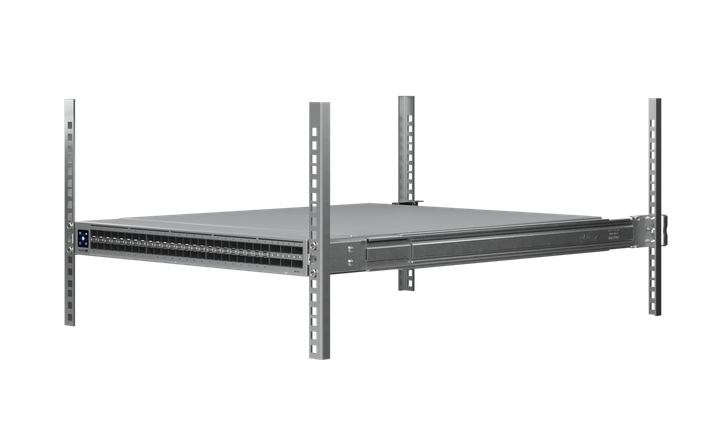
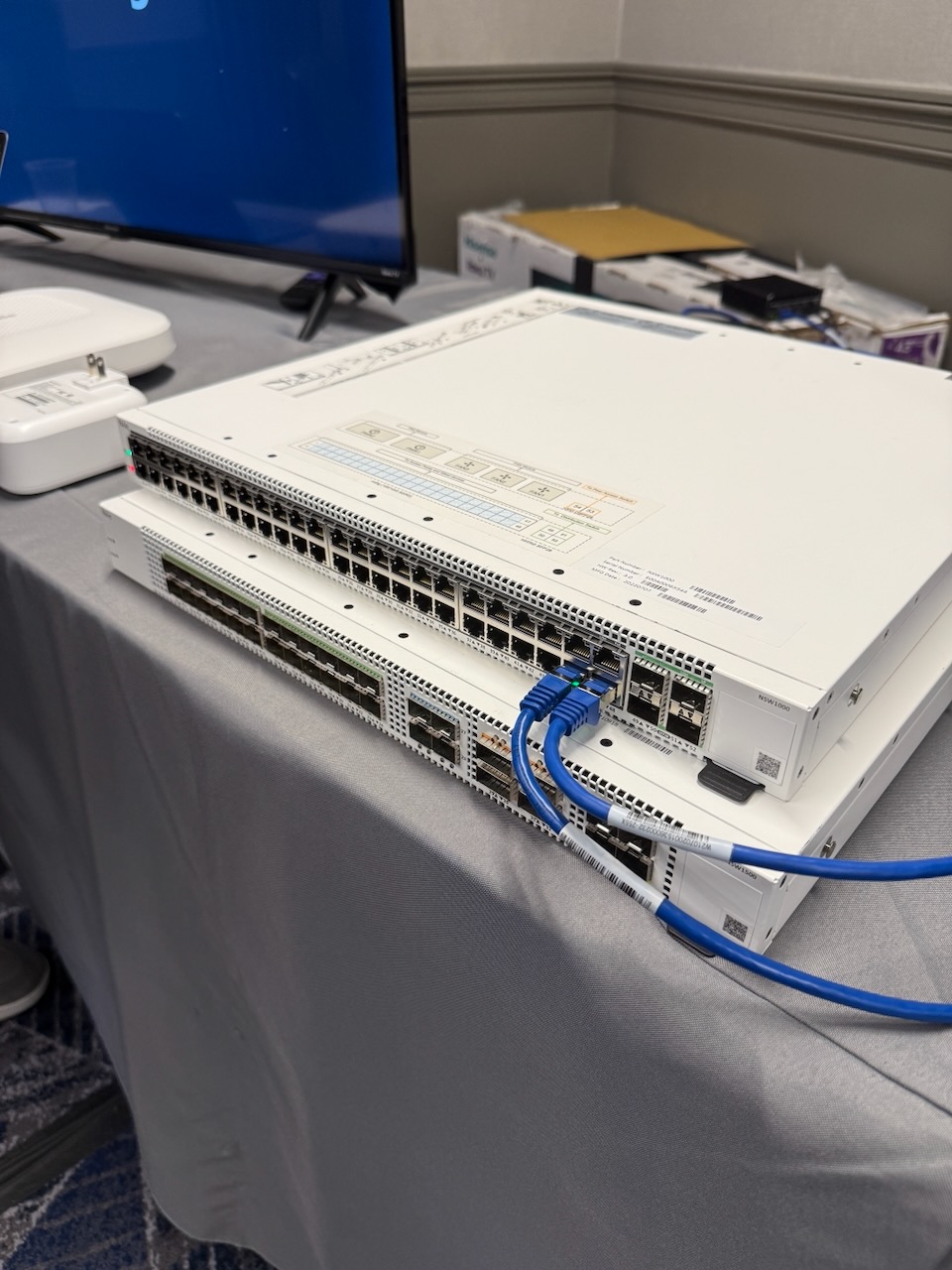
Nile introduced the concept of the Nile Service Block (NSB), a standardized approach to hardware and software deployments. Every network deployment starts with a digital twin, creating a virtual model of the environment for simulation, testing, and continuous optimization.
The Nile Service Block gives network operators resiliency, wireless and wired redundancy by leveraging OSPF.
Some key things I noticed from their architecture:
- Layer 3 by default, eliminating the need for Spanning Tree and loop avoidance mechanisms.
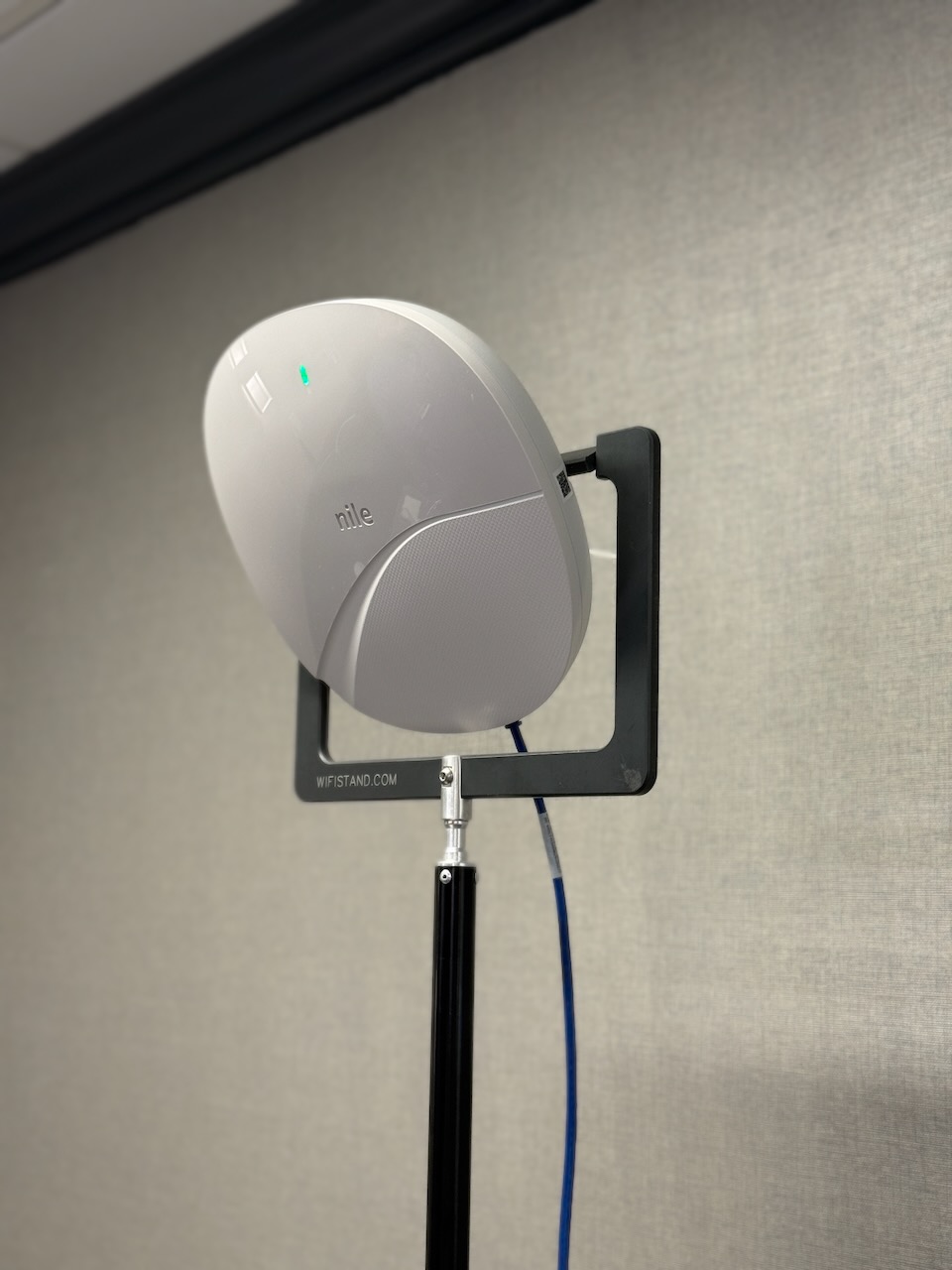
- nvGRE tunnels from APs to a distribution switch with a virtual headend–no need for controllers.
- Micro segmentation - based on identity rather than leveraging VLANs for macro segmentation. Occurring on the same network and not only across different networks.
Is Nile a Network-as-a-Service model? Yes - by giving customers the hardware and software to run their networks while allowing customers to retain full control, but without needing to micromanage hardware or configurations. Definitely something of value for CIOs and CISOs but leaves questions for network engineers.
Security First: Campus Zero Trust
One of the Nile's foundational approaches is their Campus Zero Trust architecture. While traditional NAC has become cumbersome, Nile flips the model:
- All switch ports are secured by default—no more manual port-level configs.
- Access is granted based on identity, with continuous authentication and validation in the background.
- Devices are automatically segmented and assigned policies.
- Traffic between network elements is encrypted with MACsec.
It’s how CISOs and security experts would build their networks with today's security expectations, especially for organizations under pressure to demonstrate zero trust initiatives.
Messaging is There for C-Suite
What I noticed the most is how Nile frames its value for CIOs and CISOs. They’re speaking the language of ROI, security posture, and operational simplicity.
The technical architecture was high-level and familiar to a network engineer. Where I would like to see more from Nile is how their solution integrates with an existing environment. The digital twin would be useful to help develop the zero trust policies as an organization move towards zero trust. But it isn't going to be a rip and replace for campus networks.
Final Thoughts
Nile isn’t offering a bolt-on to existing network architectures. They’re packaging a complete network of how enterprise networking should be delivered, managed, and secured. In a method that helps automate the deployment, provision network services, with security first.
If you’re an IT leader tired of bolting on new tools to old problems, Nile’s model might be the clean slate your campus network needs. It’s not for everyone—but for the right environments, it could be a game changer.