Ubiquiti's Shift into Enterprise
Remember when Ubiquiti's UniFi was the scrappy underdog of networking—beloved by small businesses for its affordability but largely ignored by enterprise IT? Well, those days might be behind us.
Ubiquiti is making some serious moves in 2025, and frankly, it's about time. They're not just tweaking their existing lineup; they're completely changing what UniFi can be in the enterprise space. The question is: can they actually pull it off?
Finally, Serious Enterprise Hardware
Let's start with the hardware, because this is where Ubiquiti has historically struggled to convince enterprise buyers they're ready for prime time.
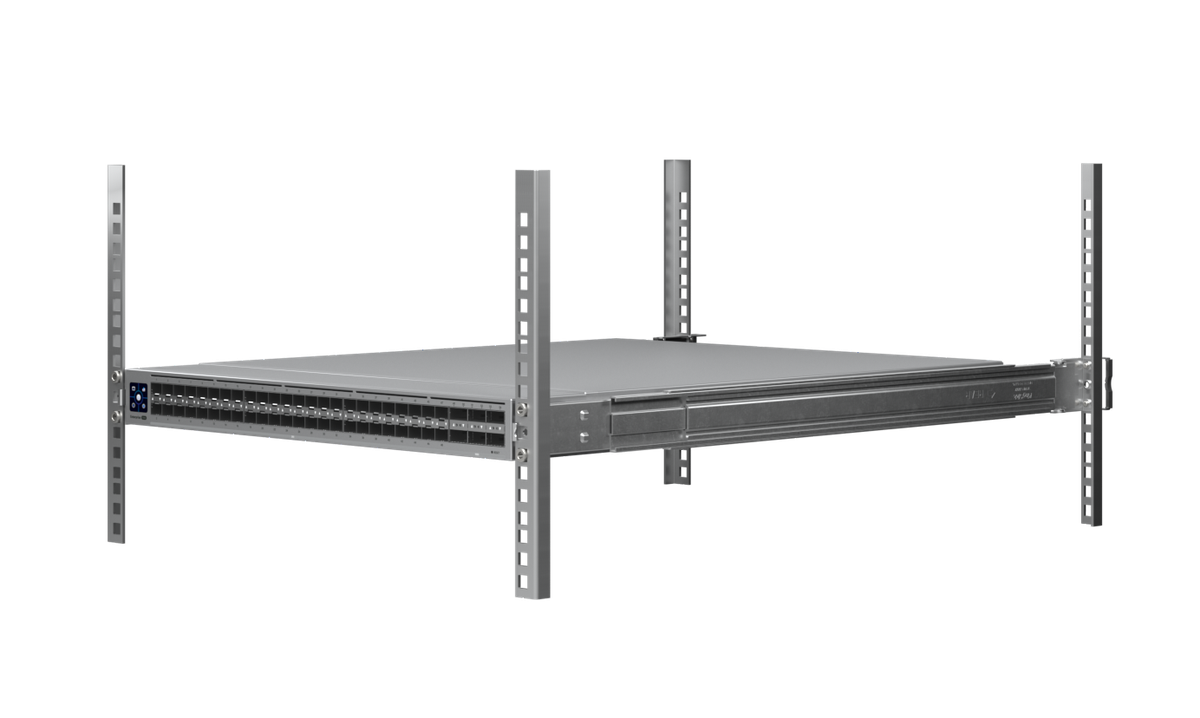
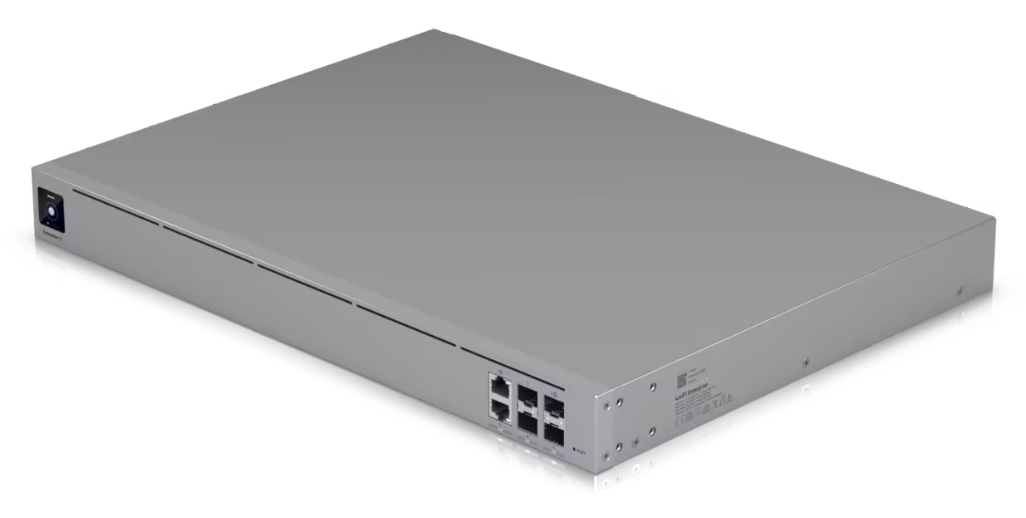
The Enterprise Fortress Gateway (EFG) is their statement piece—think of it as Ubiquiti's way of saying "we're not playing around anymore." With 10 Gbps SFP+ ports, 25 Gbps SFP28 ports, 12.5 Gbps routing with IDS/IPS throughput, SD-WAN capabilities, and Layer 7 application filtering, this isn't your typical small office gateway. It's designed to handle the kind of traffic loads that would make traditional UniFi hardware break into a cold sweat.
It scales to managing over 500 UniFi devices and 5,000+ clients. Additionally, they've included Shadow Mode, which is their way of providing high availability using VRRP. Glad they're sticking to a standards-based approach.
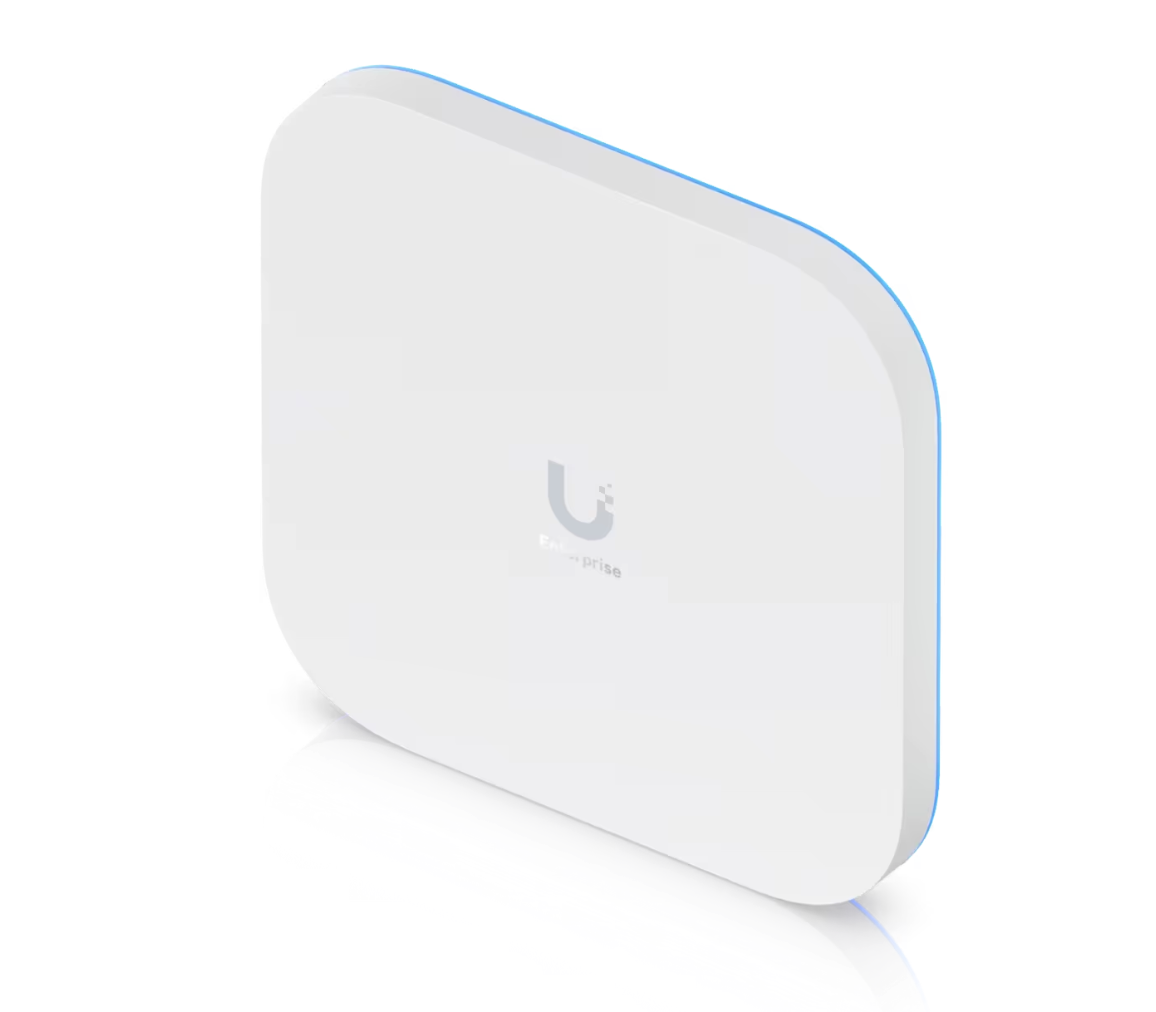
Then there are the tri-band E7 Access Points. These aren't just incremental improvements—they're built for the clients in high-density deployments. With 10 Gbps PoE++ port, a secondary 1 Gbps port, and PRISM RF filtering, they're essentially saying "bring on your conference centers and auditoriums." If you've ever tried to provide reliable Wi-Fi for hundreds and thousands of simultaneous users, you know the hardware matters. But keep in mind, Wi-Fi design matters even more!
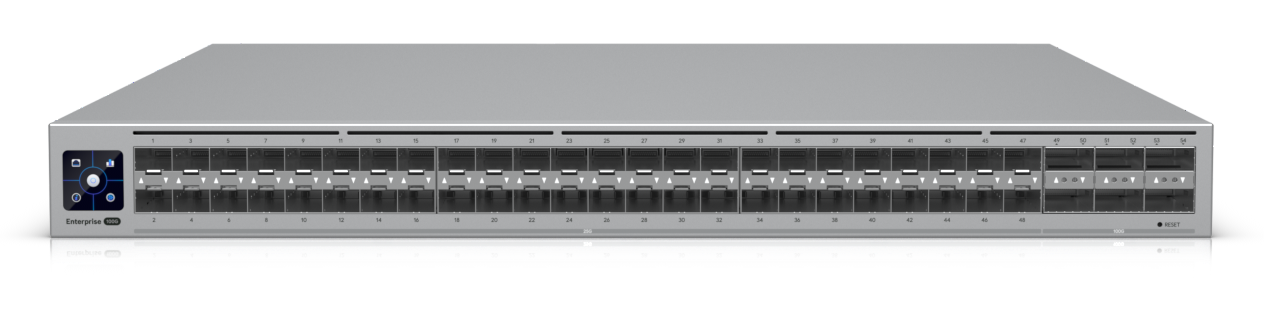
The Enterprise Switches round out the picture with support for 2.5 Gbps, 10 Gbps, 25 Gbps ports, and even 100 Gbps uplinks. From aggregation to campus edge. Features like multi-chassis link aggregation (MC-LAG) and hot-swappable power supplies aren't just nice-to-haves—they're essential for networks that can't afford downtime.
Software That Actually Thinks Like Enterprise IT
Hardware alone doesn't make an enterprise solution, and Ubiquiti seems to finally understand this. Their software improvements show they've been listening to the pain points of larger deployments.
Zero Touch Provisioning (ZTP) addresses one of the biggest headaches in large-scale deployments. If you've ever had to manually configure hundreds of devices across multiple sites, you know why this matters. It's the difference between spending weeks on deployment versus days.
With the announcement of API integrations things get particularly interesting. Enterprise networks aren't islands—they need to play nicely with existing systems, automation tools, and security platforms. This has always been a weak spot for UniFi, so seeing them prioritize API development is encouraging.
Identity Provider (IdP) support signals they understand modern security models. Zero-trust isn't just a buzzword anymore; it's how enterprises actually think about network access. Being able to integrate with existing IdPs means UniFi can finally fit into established security frameworks instead of forcing organizations to work around it. You'll find this within their Identity Hub.
Betting on Partners (Finally)
Here's something that might surprise you: Ubiquiti has launched the UniFi Enterprise Partner Program. For a company that built its reputation on direct sales and DIY deployment, this is a big shift.
They're offering dedicated pre-sales support, deal registration, exclusive training, and better margins for partners. It's almost like they've realized that enterprise deals don't happen the same way small business purchases do. The enterprise ecosystem is largely built on a channel partnership and partners push technologies.
The Reality Check
But let's be honest about the challenges, because they're real and significant.
Support infrastructure remains Ubiquiti's Achilles' heel. Enterprise customers expect a certain level of responsiveness and expertise when things go wrong. Community forums and basic support tickets aren't going to cut it when your network is down and executive phones are ringing. I'd like to see how this works and what the interaction is like with support. This will be an expertise scaling challenge for Ubiquiti.
Advanced networking features are still hit-or-miss. If your deployment needs comprehensive BGP or OSPF support, or granular QoS controls, you might find yourself frustrated. These aren't edge cases in enterprise networking—they're often requirements in large-scale environments. Additionally, I'd like to see edge switch stacking become a thing. There can be multiple switches in a closet serving one floor. I don't want to daisy chain switches and manage them individually.
The Bottom Line
Is Ubiquiti ready to take on the other enterprise networking giants? Not entirely—at least not yet. But are they creating a compelling middle ground for organizations that need more than small business solutions but don't want to pay enterprise premiums for every single feature? Absolutely.
Think of it this way: UniFi in 2025 is like a well-engineered Toyota trying to compete with luxury brands. It might not have every premium feature, but it offers remarkable value and reliability for the vast majority of use cases.
The real test will be how quickly they can shore up their support infrastructure and fill in the remaining feature gaps. Because in enterprise networking, being "almost there" often isn't good enough.
Are you considering UniFi for your organization? The 2025 lineup might finally give you a reason to take that conversation seriously. Just make sure you understand exactly where the limitations still exist—and whether you can live with them.